Using cookies on shellauction.net:
Shellauction uses cookies only for technical reasons and to facilitate and speed up your site navigation.
By continuing to browse, you accept the use of cookies;
if you do not wish to receive them please disable them or not navigate this website further. More info Cookies on shellauction.net
COOKIE INFORMATIONS
Using cookies on shellauction.net:
Shellauction uses cookies only for technical reasons and to facilitate and speed up your site navigation.
By continuing to browse, you accept the use of cookies;
if you do not wish to receive them please disable them or not navigate this website further.
More info Cookies on shellauction.net
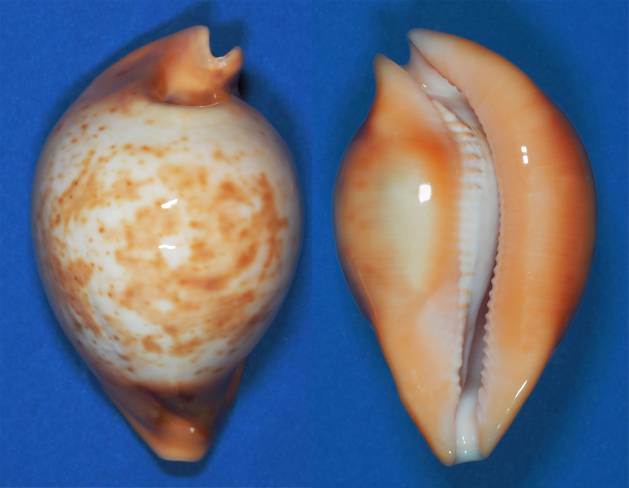
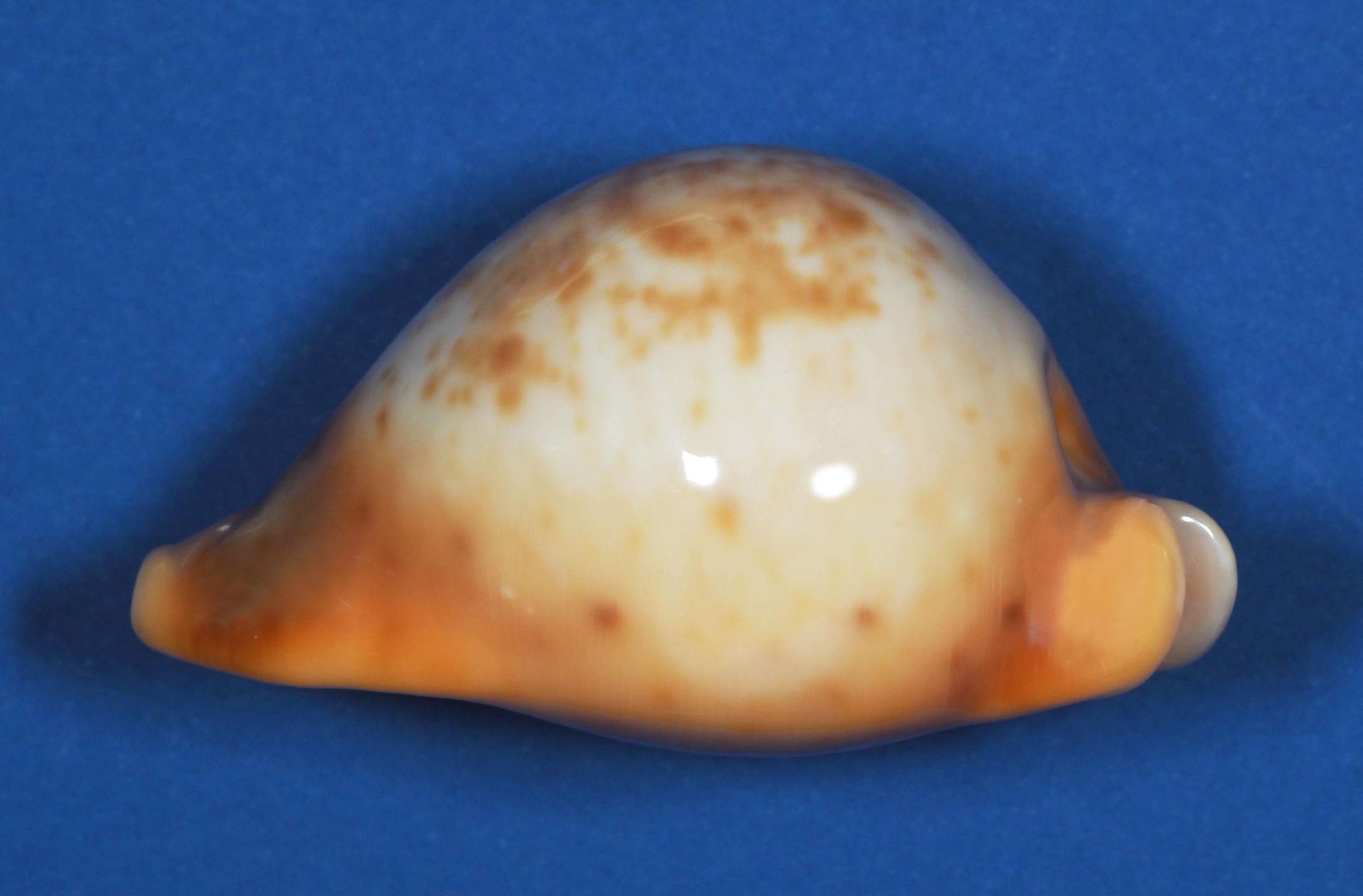
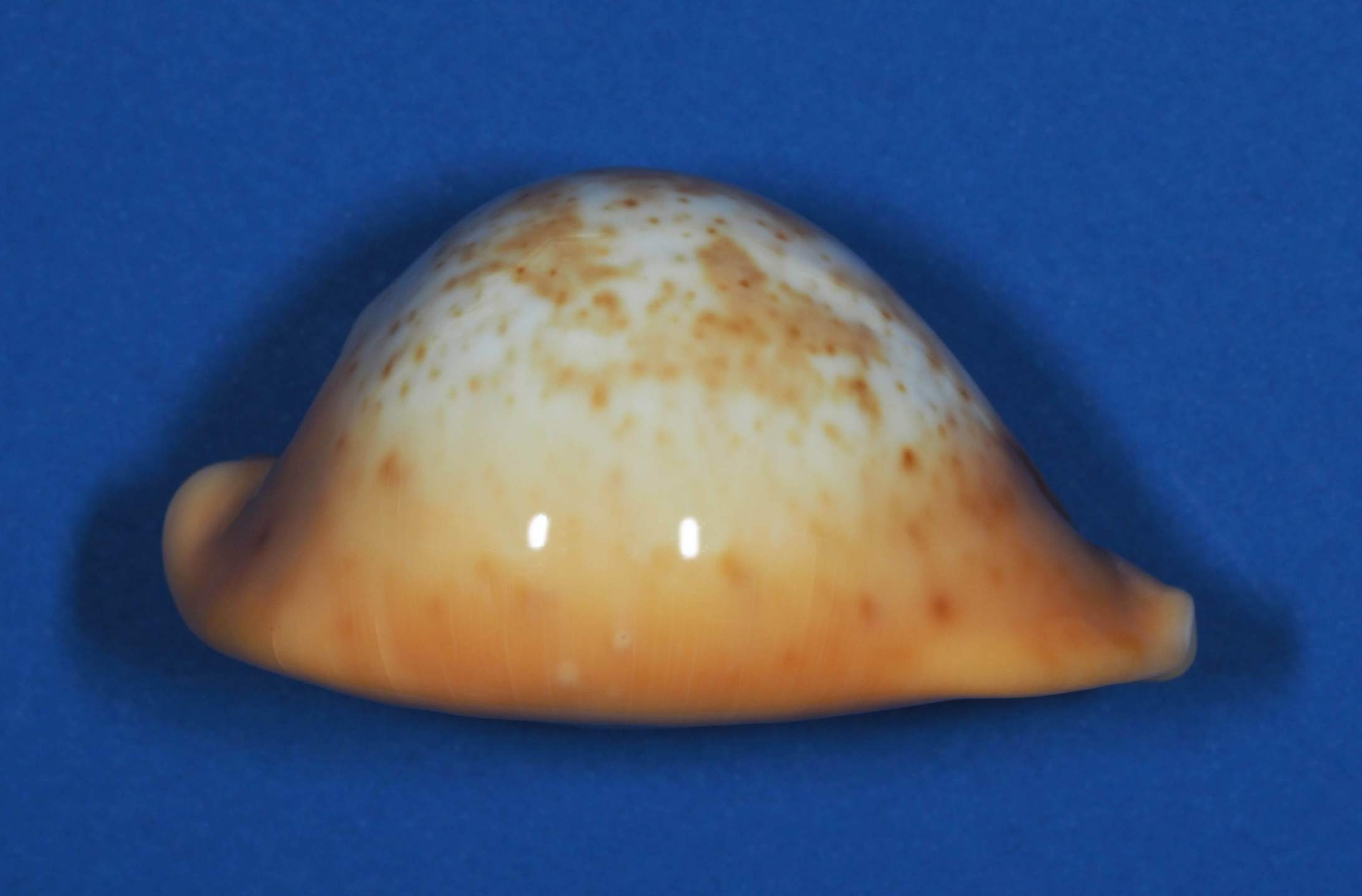
I have proposed a new form of armeniaca being Cypraea armeniaca “verawestralis”. This name has no taxonomic standing but is the name I have elected to refer different shells we have been finding in very limited numbers on our south coast between Walpole through to the east of Esperance. These shells differ significantly in colour and shape from both andreyi and GAB armeniaca. In the area off the very southwest corner of Western Australia I believe these shells have merged with classic andreyi as sea levels have risen during the current inter-glacial period to produce a hybrid population. Armeniaca collected off Augusta fall into two very distinct colour forms. While all shells are very heavy and fit as andreyi on mass ratio, they have either china white bases or rich pink orange bases. In addition shells are often dark in colour with dense tan burgundy spots. Both of these traits are not present in west coast andreyi but are features of the “verawestralis” form. This specimen was ROV collected from 240 metres of water south south east of Augusta during January 2026. It was found crawling on silty sand among sparse sessile growth on an seamount which rises from 280 metres. A pretty shell with tan blotching on a white background. Peachy colouring borders and extends to the base and siphons. Graded Fine+ as there is a chip to the posterior siphon and three tiny nacre inclusions to dorsum.